The sacrifice of bulls reminded me of Taliesen. In that book, they were all heathens. Then some of the heathens died with Atlantis, but some of them went to Arthurian England, and there they became Christians. Being a Christian is good. Those were good books. It's too bad they're all heathens in The Odyssey.
Then Telemachus acts shy about asking Nestor about his father. Athena yells at him about it, and I quite agree. If he's there to discover Odysseus, and quickly so he can return to his mother and protect her from the suitors, why is he suddenly scared? Perhaps there should be more character development. Does Telemachus have a habit of getting cold feet? From where does that phrase even come?
Athena prayed to Poseidon. Is that allowed? Can gods pray to other gods? If he can be far away and miss it when he is tricked, how does he hear the prayers? Jesus prayed to God, but that's different, because he's omni-everything. This Greek god situation needs to be straightened out.
It really doesn't make sense for Telemachus to leave his mother and his home. I agree with his housekeeper from the second book: the suitors will plot and plan in his absence. He could have easily sent out a messenger on a boat (♪) to discover those same things which he wants to find out. Maybe the messenger would not have had the same response as 'godlike Telemachus.'
Upon some thought, though, it was rather kind of him not to tell his mother. When she does find out, she's heartbroken and she collapses. He obviously cares about her well-being, and it seems to make more sense that Telemachus stay at home to protect her. Or perhaps, since she's a stranger to somebody, Zeus has got it covered.
3.314: squadron
Clytemnestra. I read the name--do you know anything about her? The name sounds familiar.
Athena wants the best for Telemachus, but then she turns into an eagle and leaves. There's quite a bit of eagling going on here... stay tuned.
Pretty true to the title of the book, King Nestor remembered. Now I know what happens in The Iliad, not that the introduction and even the few previous books didn't give that away, either. There's little to be wondered with Homer's fame and his habit of repetition.
Wednesday, October 5, 2011

Telemachus Sets Sail
(In my Odyssey notebook, I just write down thoughts, so I'll try to formulate them into something... appealing to read. I hope it works--they're vaguely connected.)
"God be with him" referred to Zeus, which was strange. The idea of those gods being gods, those who created and care for you, is unsettling. I mentioned that when I talked about the gods in the introduction. I wouldn't want Zeus to be with me. Besides, if I met someone I didn't know--also known as a stranger--he'd probably protect them! What would be the use of that?
Your MOM: Antinous is making mother insults! He says Penelope "played it fast and loose," which does not sound very nice (2.97). However, although apparently Telemachus is a family man, he seems to pass over these insults. I know Knox said he had some mother issues, but I feel like his sense of honor should have responded to Antinous' rude speech on her merits.
The translation says 'scot-free' quite a bit (2.159, 2.169, and others). Have you ever translated the epic? Does it actually translate like that?
What was that air-fight bit about? I'm certain I would have had to dissect this sign had I been in class with Miss Pfaff. I didn't really want to think about it, so I let Halitherses have his turn, and I'm going to pass over it. I guess I just don't understand how eagles fighting in the air means what it meant.
Halitherses, I am told, outperforms all men of his time (2.177). He also predicted the exact story of The Odyssey, which is pretty convenient: you'd think people would have remembered that. I guess this is the sort of poetic license that writers can get away with in 'the classics.' Nowadays, it would never fly.
2.211: codger.
I wrote about Mentor in a paper sophomore year. He was an excellent chap, but Athena is a poser. She's always dressing herself up as other people, and her disguise as Mentor even causes confusion later on. I don't know that this is necessarily a good thing. It's dishonest. Perhaps it disguises the shock factor of Athena being, well, a goddess, but don't you think that Telemachus having a goddess on his side--and not just any goddess, but Athena--would make the suitors listen? Hiding herself under Mentor's familiar face didn't make them pay attention. Athena could solve many problems for Telemachus if she showed up, kicked some tail (like so much Donkey Kong), and then helped him find Odysseus. This is like Glinda knowing all along that tapping her heels would make Dorothy go back to Kansas. How unfair was that, really? A prime example of this confusion lies in book two, lines 434-439:
"God be with him" referred to Zeus, which was strange. The idea of those gods being gods, those who created and care for you, is unsettling. I mentioned that when I talked about the gods in the introduction. I wouldn't want Zeus to be with me. Besides, if I met someone I didn't know--also known as a stranger--he'd probably protect them! What would be the use of that?
Your MOM: Antinous is making mother insults! He says Penelope "played it fast and loose," which does not sound very nice (2.97). However, although apparently Telemachus is a family man, he seems to pass over these insults. I know Knox said he had some mother issues, but I feel like his sense of honor should have responded to Antinous' rude speech on her merits.
The translation says 'scot-free' quite a bit (2.159, 2.169, and others). Have you ever translated the epic? Does it actually translate like that?
What was that air-fight bit about? I'm certain I would have had to dissect this sign had I been in class with Miss Pfaff. I didn't really want to think about it, so I let Halitherses have his turn, and I'm going to pass over it. I guess I just don't understand how eagles fighting in the air means what it meant.
Halitherses, I am told, outperforms all men of his time (2.177). He also predicted the exact story of The Odyssey, which is pretty convenient: you'd think people would have remembered that. I guess this is the sort of poetic license that writers can get away with in 'the classics.' Nowadays, it would never fly.
2.211: codger.
I wrote about Mentor in a paper sophomore year. He was an excellent chap, but Athena is a poser. She's always dressing herself up as other people, and her disguise as Mentor even causes confusion later on. I don't know that this is necessarily a good thing. It's dishonest. Perhaps it disguises the shock factor of Athena being, well, a goddess, but don't you think that Telemachus having a goddess on his side--and not just any goddess, but Athena--would make the suitors listen? Hiding herself under Mentor's familiar face didn't make them pay attention. Athena could solve many problems for Telemachus if she showed up, kicked some tail (like so much Donkey Kong), and then helped him find Odysseus. This is like Glinda knowing all along that tapping her heels would make Dorothy go back to Kansas. How unfair was that, really? A prime example of this confusion lies in book two, lines 434-439:
Then bright-eyed Pallas thought of one last thing.
Back she went to King Odysseus' halls and there
she showered sweet oblivion over the suitors,
dazing them as they drank, knocking cups from hands.
No more loitering now, their eyes weighed down with sleep,
they rose and groped through town to find their beds.
Back she went to King Odysseus' halls and there
she showered sweet oblivion over the suitors,
dazing them as they drank, knocking cups from hands.
No more loitering now, their eyes weighed down with sleep,
they rose and groped through town to find their beds.
To quote my notes, "If Athena can knock the retards unconscious, why's she's only doing it now?"
There's an adorable little housemarm! There is in every story. How brilliant. We should concoct a list of things that are vital to good stories.
Previously, I thought that the epics rhymed and had precise meter and what-not. They do... in Greek. Now, as I read it in English, it's just a story in a different format. I never really thought about it until I started reading it. However, you do notice how Homer reuses phrases, because of the case and syllables and such.
Previously, I thought that the epics rhymed and had precise meter and what-not. They do... in Greek. Now, as I read it in English, it's just a story in a different format. I never really thought about it until I started reading it. However, you do notice how Homer reuses phrases, because of the case and syllables and such.
Athena Inspires the Prince
The be quite bratwurst, Robert Fagles' translation of The Odyssey is hilarious, and that's unexpected. I rather thought the epic would be heavy, wordy, and dry (I know some people like that. ...). While it is quite wordy, being circa 400 pages long, it's easy to read and enjoy. It's not just Fagles, of course: Homer penned the work, and how he chose to do it is interesting.
In the first book of The Odyssey, Homer takes a personal look at the gods' interests and their inclusion in everyday life. They choose favorites--Athena openly shows her affection for Odysseus, and Zeus speaks on the traveler's great qualities. Athena also likes his son, and she visits Telemachus in the first book of The Odyssey. He is attached to his name and his family, and is enraged with Penelope's suitors. She, in turn, is distressed with their unwelcome advances. Athena shows her support for the whole family.
However, no where in the first book do readers even meet Odysseus. It merely sets the stage for his infamous tale; it is the exposition, the precursor to hearing of the odyssey. Being a poet and perhaps a performer, maybe Homer wrote it this way--briefly outlining Odysseus' tale through Athena--to capture the attention of his ancient audiences.
It's difficult to imagine the epic as it would have been performed, and also astounding, as it's so very long. At first I wondered if audiences would have been amused, as I am, but I recalled that The Odyssey is fraught with drama and would have been taken very seriously: Athena's pride, Zeus' favor, Telemachus' anger, Penelope's grief. It's serious business.
In the first book of The Odyssey, Homer takes a personal look at the gods' interests and their inclusion in everyday life. They choose favorites--Athena openly shows her affection for Odysseus, and Zeus speaks on the traveler's great qualities. Athena also likes his son, and she visits Telemachus in the first book of The Odyssey. He is attached to his name and his family, and is enraged with Penelope's suitors. She, in turn, is distressed with their unwelcome advances. Athena shows her support for the whole family.
However, no where in the first book do readers even meet Odysseus. It merely sets the stage for his infamous tale; it is the exposition, the precursor to hearing of the odyssey. Being a poet and perhaps a performer, maybe Homer wrote it this way--briefly outlining Odysseus' tale through Athena--to capture the attention of his ancient audiences.
It's difficult to imagine the epic as it would have been performed, and also astounding, as it's so very long. At first I wondered if audiences would have been amused, as I am, but I recalled that The Odyssey is fraught with drama and would have been taken very seriously: Athena's pride, Zeus' favor, Telemachus' anger, Penelope's grief. It's serious business.
The Introduction
The Odyssey's introduction is split into separate parts, each a little (or not-so-little) essay on something concerning Homer's epics. They cover quite a few topics, too, but the distressing factor about introductions is that they give everything away. The Odyssey is pretty well-known, but the introduction delves into the details that I did not want to know until I actually read it. It's still fun to read, but introductions suck.
At first, this comment was merely about the essay, but it also applies to the epic: it takes quite a long time to read; it must have taken ages to write. Another mentioned theory comes from my wordplay there--some people think many wrote it over time. I think it was Homer, and he wrote it down, because only Cam Jansen would be able to memorize the whole Odyssey.
The Odyssey
Homer is old! Well, he may have been old--more like his texts are old (like, omg, he usd hole wrds! lol!). The essay describing the history of his books seemed, to me, a little long-winded. Did Homer sing, perform for snaps, or write? First everyone thinks it was written... then they didn't. It could have been: language is old, too. Bernard Knox penned interesting theories and stories, but he did mention how some people pretended there had been other bards coming up with other epics. There really weren't. Faker bards = epics being the new pink.At first, this comment was merely about the essay, but it also applies to the epic: it takes quite a long time to read; it must have taken ages to write. Another mentioned theory comes from my wordplay there--some people think many wrote it over time. I think it was Homer, and he wrote it down, because only Cam Jansen would be able to memorize the whole Odyssey.
The Language of Homer
Homer was popular and as well-quoted as Star Wars in a household of Wietings. Homer, to be concise, used poetic license, at least metrically speaking. There had to be dactyls and spondees (how delightful!) and a certain number of syllables. Because of this, people and places are often described in the same few words, due to the restrictions of meter, syllables, and for what the grammatical case called. Isn't that incredible?
There was speculation that, if Homer performed, he improvised quite a bit and slipped in his regularly-used adjectives where they fit. This way it would be more creative, because apparently, writing ruined the oral bards' talents at improvisation.
Another interesting point is that, factually, Homer had no idea what he was talking about. The map in his mind and the map of the world don't match up that well, and the palace was all over the place... and this is where poetic license fits in again.
There was speculation that, if Homer performed, he improvised quite a bit and slipped in his regularly-used adjectives where they fit. This way it would be more creative, because apparently, writing ruined the oral bards' talents at improvisation.
Another interesting point is that, factually, Homer had no idea what he was talking about. The map in his mind and the map of the world don't match up that well, and the palace was all over the place... and this is where poetic license fits in again.
The Odyssey and the Iliad
They go together.
Western Seas
Homer, apparently, was an explorer. This is shown in how he evaluates the land; he is not specific as to cartography, just landmarks. Bernard Knox mentions the Italian boot in this section, and, I have to agree with you, Keaton, that this part was boring. Also, the thesis is pretty much the last sentence, and it looks bad.
Knox did mention Shakespeare's The Tempest. He says both books were written in the same evaluating manner, despite one being about a shipwreck and the other being about traveling. I remember thinking, as I read this, that he was pulling a lot of this stuff from... uh... nowhere. Shakespeare and Homer were writers. I don't think they were planning on farming everywhere they look or wrote about. They like to describe and use vivid imagery. It's nice that Bernard Knox likes to credit them with having many interests, or something, but I think they liked to be flowery in their language. It engages people. It makes it not boring. People who think Homer and Shakespeare are boring... are boring. Okay, that was general statement. But speaking of Shakespeare, it's totally not hard to read.
Knox did mention Shakespeare's The Tempest. He says both books were written in the same evaluating manner, despite one being about a shipwreck and the other being about traveling. I remember thinking, as I read this, that he was pulling a lot of this stuff from... uh... nowhere. Shakespeare and Homer were writers. I don't think they were planning on farming everywhere they look or wrote about. They like to describe and use vivid imagery. It's nice that Bernard Knox likes to credit them with having many interests, or something, but I think they liked to be flowery in their language. It engages people. It makes it not boring. People who think Homer and Shakespeare are boring... are boring. Okay, that was general statement. But speaking of Shakespeare, it's totally not hard to read.
Voyager
Knox makes it sounds like Odysseus is a pirate! He's deceitful! It's good! That's intriguing. I don't think being deceitful is good--yes, maybe he can escape being eaten by Cyclops, but it certainly sounds as though he's being praised for being a liar. Maybe I glean the wrong things from my readings.
Then, in a sudden change of heart, the word 'voyager' is described as 'relationship between host and guest.' (Whedon calls that a 'companion'...) But really, it is better described as travelers who must avail of the kindness of others on their journey. There aren't bed-and-breakfasts every ten miles when you live in ancient Greece. It's tough to travel. Thus, people need to look out for strangers.
Also, apparently, xeinios = Zeus = protector of strangers. This is totally illogical. If you are one person, and you are the only one who ever has a point of view in the entire world, then this makes sense. Then Zeus takes care of everyone else. But this is not how it goes, and so Zeus has to be taking care of EVERYONE. Not everyone knows each other--in fact, most people don't. So Zeus has to protect... everyone. It's a strange, general way to talk about things, it doesn't make sense, and I don't like it. If Odysseus approaches someone, neither of them know each other, and they're both strangers to each other. Zeus has to protect both of them, then. WHICH DOESN'T EVEN MAKE ANY SENSE. He might as well be called Zeus, protector of every single person. But he's not. Because that's GOD.
Guests receive gifts! That's pretty cool. They can be picky, though--beggars CAN be choosers, at least where Zeus is concerned. (Look at the word 'choosers.' GROSS.) Odysseus refuses immortality and two proposals of marriage. That shows strong bonds of family love.
"The sirens would have kept him forever also, but dead" (pg 31). Thanks, Knox.
Speaking of the dead, Odysseus travels down there, and it's pretty terrible! It's all gray and tired and sad! Everyone hates it. THIS IS RIDICULOUS. JESUS. is not. More on this later.
Also, on page thirty-three, Knox says 'constant vigilance,' which is an obvious Harry Potter reference.
Then, in a sudden change of heart, the word 'voyager' is described as 'relationship between host and guest.' (Whedon calls that a 'companion'...) But really, it is better described as travelers who must avail of the kindness of others on their journey. There aren't bed-and-breakfasts every ten miles when you live in ancient Greece. It's tough to travel. Thus, people need to look out for strangers.
Also, apparently, xeinios = Zeus = protector of strangers. This is totally illogical. If you are one person, and you are the only one who ever has a point of view in the entire world, then this makes sense. Then Zeus takes care of everyone else. But this is not how it goes, and so Zeus has to be taking care of EVERYONE. Not everyone knows each other--in fact, most people don't. So Zeus has to protect... everyone. It's a strange, general way to talk about things, it doesn't make sense, and I don't like it. If Odysseus approaches someone, neither of them know each other, and they're both strangers to each other. Zeus has to protect both of them, then. WHICH DOESN'T EVEN MAKE ANY SENSE. He might as well be called Zeus, protector of every single person. But he's not. Because that's GOD.
Guests receive gifts! That's pretty cool. They can be picky, though--beggars CAN be choosers, at least where Zeus is concerned. (Look at the word 'choosers.' GROSS.) Odysseus refuses immortality and two proposals of marriage. That shows strong bonds of family love.
"The sirens would have kept him forever also, but dead" (pg 31). Thanks, Knox.
Speaking of the dead, Odysseus travels down there, and it's pretty terrible! It's all gray and tired and sad! Everyone hates it. THIS IS RIDICULOUS. JESUS. is not. More on this later.
Also, on page thirty-three, Knox says 'constant vigilance,' which is an obvious Harry Potter reference.
Hero
Lies are good! Be proud!
My idea of a hero is not a liar. I suppose, as was mentioned before, that he deceived to protect from one-eyed giants ("Isn't that a smelly kind of cheese?"). However, deceit shouldn't be a valued trait when it comes to heroes. (He's also spoken of as a 'persuasive speaker,' or a liar... coughobamacough.)
Odysseus is also very proud of his social position, which seems to me to be very much a Jane Austen approach, or perhaps she had a very Homer-type view. Odysseus demands respect, just as Lady Catherine does. Respect is good where respect is due, and I'm sure he's quite respectable. However, I don't like the traits laid out here for a leader. They don't appear to be very God-pleasing... however, their gods were people like Zeus and Aphrodite, who aren't entirely wholesome, either. SPEAKING OF...
My idea of a hero is not a liar. I suppose, as was mentioned before, that he deceived to protect from one-eyed giants ("Isn't that a smelly kind of cheese?"). However, deceit shouldn't be a valued trait when it comes to heroes. (He's also spoken of as a 'persuasive speaker,' or a liar... coughobamacough.)
Odysseus is also very proud of his social position, which seems to me to be very much a Jane Austen approach, or perhaps she had a very Homer-type view. Odysseus demands respect, just as Lady Catherine does. Respect is good where respect is due, and I'm sure he's quite respectable. However, I don't like the traits laid out here for a leader. They don't appear to be very God-pleasing... however, their gods were people like Zeus and Aphrodite, who aren't entirely wholesome, either. SPEAKING OF...
Gods
They play favorites. They play doll with the lives and cities of the world. Slightly annoying, very arrogant, and thankfully, total crap.
For example, Zeus gives over Troy. Hera gives him three cities in exchange... then seduces him. It's an everyday routine. Messing with mortals in the morning, a little seducing before teatime, end the day with a burning, hypocritical rage, and we're set. It's easy to see that sinful man made up these gods. Gods are fickle. (This next sentence is exactly what I have written in my notes...) OMG THE TRINITY!
I like that Homer makes up this stuff, though. It sort of proves my point. Knox mentions how one translator didn't like the story, so he changed a few words, and voila. The gods were different. They're figments of imagination. They're fun to learn about, but they have very few godlike traits: they can change ships to stone. They live on a magical mountain. They can change their appearance. Did they save damned humanity from eternal death? NO. Lame.
For example, Zeus gives over Troy. Hera gives him three cities in exchange... then seduces him. It's an everyday routine. Messing with mortals in the morning, a little seducing before teatime, end the day with a burning, hypocritical rage, and we're set. It's easy to see that sinful man made up these gods. Gods are fickle. (This next sentence is exactly what I have written in my notes...) OMG THE TRINITY!
I like that Homer makes up this stuff, though. It sort of proves my point. Knox mentions how one translator didn't like the story, so he changed a few words, and voila. The gods were different. They're figments of imagination. They're fun to learn about, but they have very few godlike traits: they can change ships to stone. They live on a magical mountain. They can change their appearance. Did they save damned humanity from eternal death? NO. Lame.
Women and Men
Knox says women play peaceful roles in The Odyssey, and then he goes on to say that Circe was 'temptingly restful' and Calypso was 'oppressive.' I fail to see how these word choices portray peacefulness. They aren't in fights, but they certainly don't offer rest and respite.
It also outlines how Telemachus wasn't too kind to his mother. This seems over-analyzed: it's just how Homer wrote it. I don't think he psychoanalyzed every character and gave Telemachus deep, rebellious feelings towards his mother. Homer probably just wanted a beefy story. I do.
Penelope is sneaky, and also kind of a wench.
In conclusion of the introduction, no one really knows why Homer did what he did. It gives us plenty to think about, but much of it seems rather made-up. Also, truly, the introduction gives so much away, which is sad.
It also outlines how Telemachus wasn't too kind to his mother. This seems over-analyzed: it's just how Homer wrote it. I don't think he psychoanalyzed every character and gave Telemachus deep, rebellious feelings towards his mother. Homer probably just wanted a beefy story. I do.
Penelope is sneaky, and also kind of a wench.
In conclusion of the introduction, no one really knows why Homer did what he did. It gives us plenty to think about, but much of it seems rather made-up. Also, truly, the introduction gives so much away, which is sad.
Pronunciation
Interesting. How do you know which syllables to stress? Is it a weird Greek thing?
Wednesday, September 7, 2011
Black and White Makes Your Color Artwork Dynamic
After you complete your Ferris Wheel upload a picture of it, so I can see.

 ~2~
~2~
 ~4~
~4~
 Draw the same sketch again, but this time use your full color spectrum available to you. Once again, keep in mind your black and white painting and the article's suggestion to keep a variety of values to create a dynamic work of art.
The next project I have in mind is related to value. Depending on how long you spend on this project each week and the size of the canvas you choose, will determine how long this project will take you. Keep me updated as to your progress, so I have an idea as to when I should post another project.
This will have 5 steps.
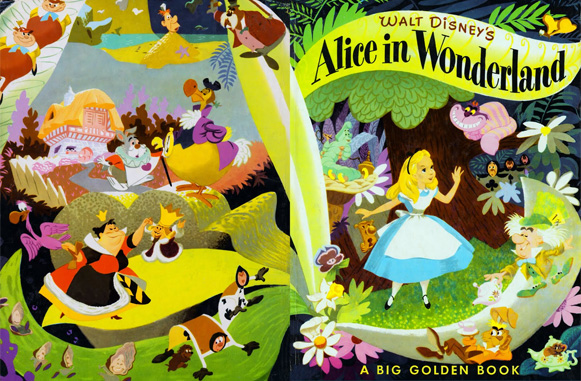
Subject of the painting: Create (a new one, don't copy one that already exists) a cover for one of your favorite books.
~1~
If I were there in person I would explain to you value; however, I am here and you are there and this is what we have at this moment. I found a short article about value. This article contains the things that I would explain to you if I were there in person. I loved the part were the author tells you to mix something other than white with your colors to lighten them. Did you notice this with your Ferris Wheel painting that you got very paisley colors when you mixed white with it. I used a lot of yellow ochre to lighten colors up. The color chart you created will always help you with figuring these color mixing questions out.
After reading the article create a grayscale with 9 values going from white to black, if you haven't done this already with your acrylics.

Borrowed from this site
This article also throws out a lot of stuff to do with color theory, particularly from Munsell and Albers. These two are the foundations of most of the color theory we have today. You can read about Munsell or Albers at these sites. Feel free to peruse them for more information if you would like while you do this project. Also, this is fun.
Photo taken from here
~2~Sketch out two possibilities for the book cover you want to create. Brainstorm different ideas. Make sure it is something that you want to draw and paint three times.
~3~
Paint a black and white value painting of the book cover. Keep in mind the article's suggestion to keep a variety of values to create a dynamic work of art.
 ~4~
~4~ Draw the same sketch again, but this time use two complimentary colors to create the same variety of value you did with the black and white painting and the article's suggestion to keep a variety of values to create a dynamic work of art.
When you are done with step 5, it might be fun to take a picture of it and turn it into a black and white photo to see if it looks like the black and white painting that you did earlier!
If you have questions about a problem you are having while painting or anything at all concerning this idea for a project let me know. I'll help as much as I can from this distance. Upload pictures of the project as you go through the steps.
Under His mercy,
Rebekah
Thursday, September 1, 2011
Freshman Convocation Address at Hillsdale
Worth reading. Sorry about the goofy colors.
As you will soon discover, if you haven't already, Dr. Arnn likes to pick on students. So, as he has given me a 7 minute slot on stage, I have to get him back. Just a little bit. I have a sister who's now a Sophomore here, and when she was visiting the college, we went out to eat, and we ran into Dr. Arnn there. I told him my sister was visiting the college, and he said, "
Sent to you by teacon7 via Google Reader:
via The Imaginative Conservative by Brittany Baldwin on 8/31/11
By Brittany BaldwinAs you will soon discover, if you haven't already, Dr. Arnn likes to pick on students. So, as he has given me a 7 minute slot on stage, I have to get him back. Just a little bit. I have a sister who's now a Sophomore here, and when she was visiting the college, we went out to eat, and we ran into Dr. Arnn there. I told him my sister was visiting the college, and he said, "
Things you can do from here:
- Subscribe to The Imaginative Conservative using Google Reader
- Get started using Google Reader to easily keep up with all your favorite sites
The Odyssey
Go read Homer's Odyssey. If you can, find the translation by Robert Fagles. Read it pretty much at your own pace, but do at least a "book" a day. It's a biggie and you don't want to read it on the computer, so get a hard copy. I think I might have left a copy upstairs in your room.
Meanwhile, I'm going to try to find a sweet article by C.S. Lewis, which has currently evaded my grasp. It's called "Bluspels and Flalansferes: A Semantic Nightmare," and is in the book Selected Literary Essays (1969, ed. by Walter Hooper). Maybe the library has that book. If you have to go to the library to get the Odyssey, see if you can find the Lewis thing too. It's sweet.
A quick question for your comments: what makes something "literature," as opposed to just "fiction" ? What do you think?
Meanwhile, I'm going to try to find a sweet article by C.S. Lewis, which has currently evaded my grasp. It's called "Bluspels and Flalansferes: A Semantic Nightmare," and is in the book Selected Literary Essays (1969, ed. by Walter Hooper). Maybe the library has that book. If you have to go to the library to get the Odyssey, see if you can find the Lewis thing too. It's sweet.
A quick question for your comments: what makes something "literature," as opposed to just "fiction" ? What do you think?
Subscribe to:
Posts (Atom)